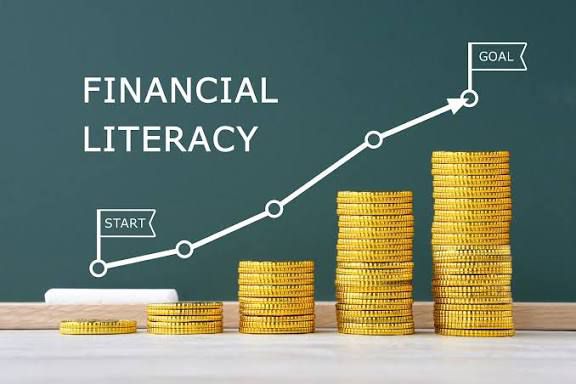
If someone asked you what the most central force in your life is, what would you say?
Love? Family? Purpose?
Maybe.
But if you take an honest moment to reflect, you’ll realize that almost every decision we make in modern life is deeply tied to one thing: money.
- You choose a career based on earning potential.
- You decide where to live based on affordability.
- You plan meals around your budget.
- You choose schools, houses, investments — all depending on money.
And yet, no school, no class, no curriculum in most countries truly teaches you how money works — how to earn it, budget it, save it, invest it, protect it, or grow it.
This missing education costs us emotionally, economically, socially, and sometimes — tragically — even mentally.
In this blog post, we’ll go far beyond a simple explanation — you’ll get global and India-specific data, official findings, real-world examples, and practical ideas that can reshape how you think about money and decision-making.
📌 What Is Financial Literacy — Official Definitions and Meaning
When we use the term financial literacy, we’re talking about far more than counting currency notes or balancing a checkbook.
Organizations like the World Bank define financial literacy as the ability to make informed decisions about money and manage your financial resources effectively. It includes the capability to earn, budget, save, invest and protect wealth responsibly.
The Organisation for Economic Co‑operation and Development (OECD) further expands the definition to include three pillars:
- financial knowledge,
- financial behavior,
- financial attitudes.
In simpler words, it’s not only about knowing what a stock is — but also how you think about it and what you actually do with that knowledge.
📌 The Hidden Reality: Why Financial Literacy Matters
Consider these everyday truths:
- You need money to live. Even sleep seems simple, but it depends on having food, shelter, and peace of mind — all of which cost money.
- Work isn’t charity — it’s compensation. You spend 8–10 hours a day earning money, not helping society for free.
- Even charity costs money. To give time or food for free, you still need the money to afford that lifestyle.
If you step back and think, money isn’t just about luxury — it’s about choice, stability, opportunity, and freedom.
This is the first insight most people don’t realize until their late 20s or 30s.
But it doesn’t have to be that way.
📊 Global Financial Literacy: Shocking but True
Despite money being so central to life decisions, global financial literacy remains alarmingly low.
According to the latest OECD/INFE international survey, financial literacy scores vary widely across countries, and many people struggle with basic concepts such as inflation, budgeting, and interest.
Other studies (like the S&P Global FinLit Survey) have also shown that financial illiteracy is a widespread barrier to accessing formal financial services worldwide — such as savings and credit products — and keeping people out of financial markets.
In many developed countries, only a small percentage of adults are considered highly financially literate, meaning they can comprehend and apply complex financial information.
Even students — who represent tomorrow’s workforce — show incomplete financial understanding. For example, PISA results indicate that only around 11% of students in some OECD countries are top performers in financial literacy.
This means even in rich, developed economies, many adults and young people lack the financial skills needed to secure long-term prosperity.
📉 Financial Literacy in India: Numbers You Should Know
Let’s talk about data — because this isn’t just philosophical anymore:
📊 General Adult Financial Literacy
- Only about 27% of adults in India are considered financially literate. This figure is confirmed by multiple surveys and research reports.
- This is far below many developed countries and even below global averages.
📈 Gender Gap in India
Data from Asian Development Bank (ADB) also highlights a gender disparity — showing that only about 24% of women in India are financially literate, compared to the male population.
This is more than just numbers — it reflects social barriers, educational disparities, and unequal access to financial opportunities.
📍 Why This Matters
India has:
- A young population,
- Rapid economic growth,
- High digital financial uptake
…but without financial literacy, people still struggle to:
- Save for emergencies,
- Invest wisely,
- Understand credit and debt,
- Navigate financial products.
Based on World Bank data, around half of the world’s adults don’t use formal financial services at all — highlighting the gap between financial inclusion and financial understanding.
In countries like India, access to banks is improving — but effective use of financial systems depends on literacy.
💡 The Reality of Financial Behaviour and Stress
It’s one thing to have money coming in — but what you do with that money is what determines your quality of life.
Studies reveal:
✨ Better Knowledge = Better Outcomes
People who score higher on financial literacy are:
- More likely to save regularly,
- More likely to compare financial products before buying,
- Less likely to make impulsive financial decisions.
But without literacy:
- Money becomes emotional,
- Decisions become reactive,
- Stress becomes constant.
Data shows many households struggle to cover short-term emergencies — and almost half of people in some surveys report experiencing financial stress within the last year.
Imagine:
- You lose your job.
- You have medical bills.
- Your phone breaks.
- A family emergency happens.
If you haven’t saved, invested, or budgeted responsibly — it becomes a crisis instead of a hiccup.
That’s the real cost of not being financially literate.
💰 The Difference Between Income and Wealth
This is one insight that separates financially literate people from others:
🔹 Income = What you earn.
🔹 Wealth = What you keep and grow after expenses.
Imagine two young professionals earning the same ₹50,000 per month.
- Person A spends impulsively, has no budget, no investments, lives paycheck-to-paycheck.
- Person B budgets, saves 20%, invests in diversified assets.
Ten years later, Person B has financial security. Person A does not — even though they earned the same total income.
This is one of the most crucial lessons financial literacy teaches.
🧠 Why Financial Education Must Start Early
One of the most progressive ideas from global organizations and researchers is:
👉 Financial literacy education should begin in childhood.
Children and teenagers should learn:
- Budgeting,
- Saving,
- Interest and inflation,
- Credit and loans,
- Investing basics.
This early introduction builds habits that last a lifetime.
Research suggests students with financial education perform better in real-world decisions and handle money more responsibly than peers who never received such education.
📚 What Financial Literacy Really Teaches
Let’s break down what someone should actually know:
🎯 1. Earning Wisely
- What careers pay sustainable income?
- How to negotiate salary?
- How to build multiple income streams?
🧮 2. Budgeting With Purpose
- You don’t spend everything you earn.
- You set goals first.
- You categorize expenses.
- You know needs vs wants.
💵 3. Saving and Emergency Funds
- Up to 3-6 months of essential expenses in a liquid form.
- Protection against unexpected events.
Without this, small surprises become big problems.
📈 4. Smart Investing
Knowing where to put money matters:
- Bank accounts
- Fixed deposits
- Mutual funds
- Stocks
- Retirement plans
- Insurance
Each option has a risk-return profile — and literacy helps you choose wisely.
💳 5. Debt Awareness
Not all debt is bad — but:
- High-interest credit card debt can destroy wealth.
- Bad loans can trap people for decades.
Financially literate individuals understand when to borrow and when to avoid.
💪 Social Benefits of Financial Literacy
The impact of widespread financial understanding isn’t just personal — it’s societal.
📉 Lower Crime Rates
When people are financially secure, theft and fraud tendencies decline.
If you found this useful, consider sharing it — because the lack of financial education isn’t just personal, it’s universal.
📈 Stronger Economies
Well-informed consumers invest, save, and participate in healthy markets.
🧠 Better Mental Health
Financial stress is one of the leading sources of anxiety and depression worldwide.
The emotionally powerful quote often shared in psychology circles is:
“Money gives you the ability to walk away from people and situations you don’t like.”
That isn’t greed — it’s freedom.
📈 Government Initiatives & Progress
Countries are increasingly recognizing the need for financial education.
In India, the Reserve Bank of India (RBI), along with the National Centre for Financial Education (NCFE), has launched programs under the National Strategy for Financial Education (NSFE 2020–25) to educate different age groups and segments.
These campaigns:
- Create financial literacy centers,
- Disseminate public awareness messages,
- Target school students, adults, and senior citizens.
This shows progress — but the journey remains long.
🧩 My Perspective: Why Financial Literacy Is a Life Skill, Not Just Finance
Personal financial literacy is transformative because:
- It turns reactive survival into proactive life design.
- It changes money from stress into possibility.
- It makes you confident, not afraid.
Most people learn about money too late — after stress, debt crises, relationship issues, mental health issues, and fear.
But what if financial literacy was part of our early education?
What if every student learned:
- How compound interest works,
- How inflation affects savings,
- How to read financial statements,
- How to evaluate risk?
We wouldn’t eliminate struggle entirely — but we could reduce financial fear massively.
🛠 Practical Financial Habits You Can Start Today
Here are simple habits that separate successful financial managers from the rest:
✔ Create a Monthly Budget
Track every expense. Know where your money goes.
✔ Always Save First
Treat savings like a bill — pay yourself first.
✔ Educate Yourself Continuously
Books, courses, communities — expand financial thinking.
✔ Avoid High-Interest Debt
No impulsive credit card purchases without a plan.
✔ Invest Long-Term
Time in the market beats timing the market.
✔ In Summary: The Core Truths You Must Remember
📌 Financial literacy isn’t “optional.”
It’s essential for:
- Quality of life
- Emotional stability
- Freedom of choice
- Long-term planning
📌 Income is not wealth — financial behavior decides wealth.
📌 A financially literate person feels control, not fear.
📌 One educated financial decision can change your life forever.
🎯 Final Thought: Money Is Not the Purpose — But It Is the Mechanism
Life isn’t about accumulating more money than others.
But it is about using money wisely to:
- Care for yourself and your loved ones,
- Handle surprises without trauma,
- Build long-term security,
- Enjoy freedom and dignity.
And that is the real power of financial literacy.
Leave a comment if you want future articles on: ✔ Budgeting tools
✔ Investing basics
✔ Retirement planning
✔ Avoiding debt traps
✔ Savings strategies
Let me know — and let’s build financial confidence together. 💪💰