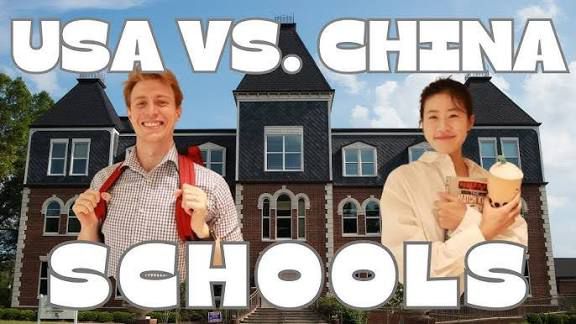
When it comes to global power, innovation, and economic growth, education plays a decisive role. Two countries that dominate global conversations about education are the United States and China. But which system is actually better?
The answer isn’t simple — because each system reflects very different cultural values, goals, and strengths.
Let’s break it down.
🇺🇸 Education in the United States
Structure
- K–12 system (Kindergarten through 12th grade)
- Undergraduate degree: typically 4 years
- Graduate programs: Master’s (1–2 years), PhD (varies)
Strengths
1. Creativity & Critical Thinking
U.S. schools emphasize discussion, debate, and independent thought. Students are encouraged to ask questions and challenge ideas.
2. World-Leading Universities
Institutions like Harvard University and Stanford University consistently rank among the best globally.
3. Flexibility
Students can change majors, explore electives, and pursue interdisciplinary studies.
4. Innovation Culture
Many global tech leaders emerged from U.S. universities — including founders of companies like Google and Apple.
Weaknesses
- High tuition costs and student debt
- Unequal quality between school districts
- Less standardized academic rigor compared to Asian systems
🇨🇳 Education in China
Structure
- 9 years compulsory education
- Highly competitive high school system
- University entrance based largely on the Gaokao
Strengths
1. Strong Academic Foundation
Chinese students excel in math and science globally.
2. Discipline & Work Ethic
The system encourages persistence, focus, and endurance.
3. Standardized Evaluation
The Gaokao creates a clear, merit-based pathway to top universities like Peking University and Tsinghua University.
4. Rapid Improvement
Over the past decades, China has heavily invested in research and higher education, climbing global rankings quickly.
Weaknesses
- Intense academic pressure
- Heavy focus on exams
- Less emphasis on creativity and open debate
Key Differences
Category USA China Focus Creativity & flexibility Discipline & exam mastery University Access Holistic admissions Exam-based (Gaokao) Cost Very expensive Relatively affordable (public) Classroom Style Discussion-based Lecture & exam-focused Student Pressure Moderate to high Extremely high
So… Who Wins?
It depends on what you value.
- If you prioritize innovation, entrepreneurship, and creativity → The USA has an edge.
- If you prioritize discipline, math/science strength, and standardized excellence → China performs strongly.
- If you measure by elite global universities → The USA still leads.
- If you measure by national academic consistency in STEM → China competes fiercely.
The Real Answer
Neither system is “better” overall.
The United States produces innovators.
China produces academically resilient high achievers.
Both systems are evolving — and increasingly learning from each other.
Final Verdict
Education is not a boxing match. It’s a reflection of culture, economic strategy, and national priorities.
The real winners?
Students who can combine the creativity of the American system with the discipline of the Chinese system.